

This year, I have had the opportunity to visit Europe twice on business trips - Lisbon in February (with my wife joining me) and Amsterdam (solo) in April. What follows are random observations from both trips.
- I live in a small town near Spokane, WA, a city not large enough for mass transit other than a bus network. So it’s a change of pace when I go to European cities and can avail myself of the metros (subways) and the trams. Clean, efficient, and used by all classes of people. What’s really nice is the train network. In Lisbon, we took trains to Sintra and Cascais, and on a previous visit to Amsterdam, we took the train to Haarlem. Cities in Europe don’t confine you - it’s easy to get out of town and explore without renting a car.
- I would not own a car if I lived in a large European city. What would be the point?
- Walking is far more common in Europe, which probably explains why obesity is so less frequent in Europe - it’s certainly not that the food is healthier! Walking is a great way to explore a city.
- Amsterdam is a cyclist’s paradise. Bike lanes cover the city, and the cyclists ride like they own the place (which they do). Step in a bike lane at your peril!
- Europeans do coffee much better than Americans. Much better.
- Lisbon is a beautiful city. In Lisbon, most buildings are covered in hand-painted tiles, and they are beautiful. The Jeronimos Monastery had a room with painted tiles telling the Biblical story of Joseph that was breathtaking. Even the sidewalks were done in tiles, which are beautiful, but can get slippery when it rains. Did I mention that Lisbon, like Rome, is built on seven hills?


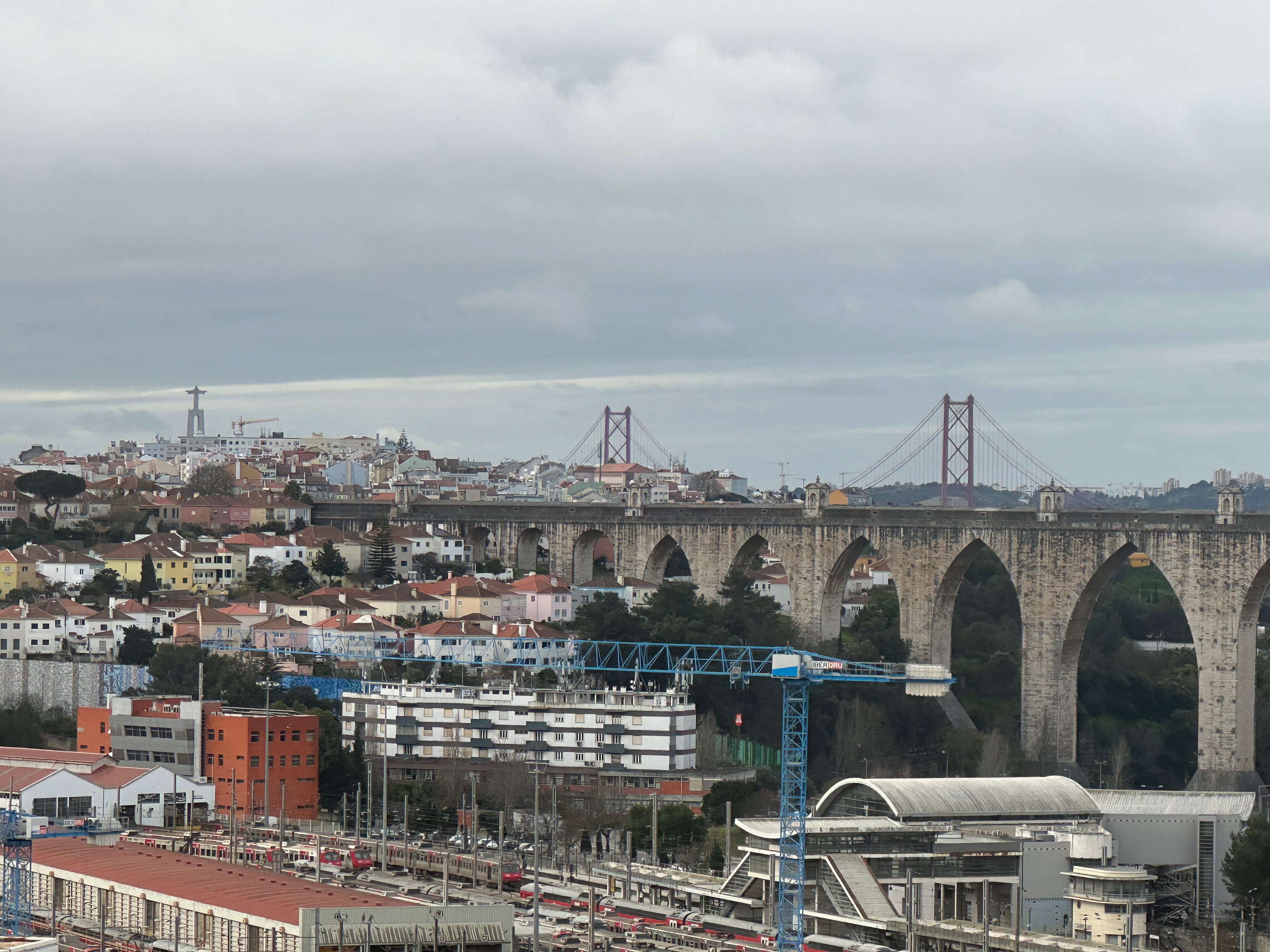
- Lisbon has its own version of Rio de Janeiro’s Christ the Redeemer statue. It’s called Cristo Rei (Christ the King) and it faces the city from across the Tagus River. We could see it (barely) from our hotel window.
- Sintra - an hour’s train ride out of Lisbon - is a must-do if you ever make it to Portugal. The Pena Palace is nice, but in my opinion the grounds are more beautiful than the castle/palace. Don’t miss the Quinta da Regaleira and its Initiation Well - so called because the descending spiral stairs were used in Freemason initiation ceremonies. (Wait - does that make me a Freemason now?)


- In Cascais, we found a cafe whose mission is to provide employment for developmentally delayed people. It’s called Cafe Joyeux, and I love their mission. It was a delight to interact with the employees and see the dignity with which they are treated in their jobs. (Plus, the coffee cake was pretty good!)
- In Lisbon, we visited (after a couple wrong turns) the Livraria Bertrand, the oldest continually operating bookstore in the world. A cool experience!
- Also in Lisbon, we took in a Fado dinner. Fado, for the uninitiated, is a uniquely Portuguese form of music - kind of opera meets blues. We got 4 mini-concerts and a great meal (and superb wine).
- We were in Lisbon on a Sunday morning, so we visited St. Andrew’s Church for their morning service. We had a warm welcome by the whole congregation - right down to the dog sleeping under the piano!
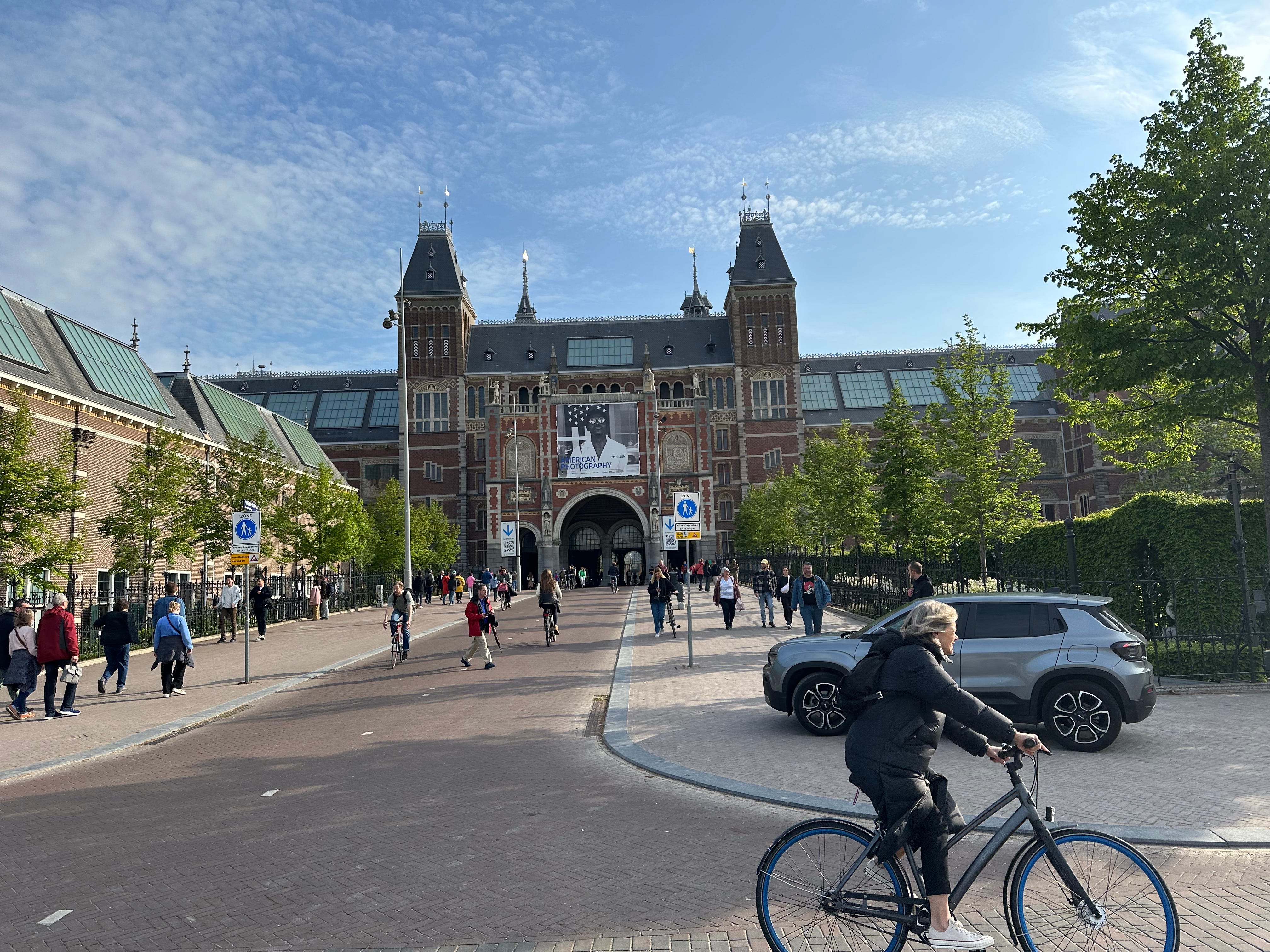
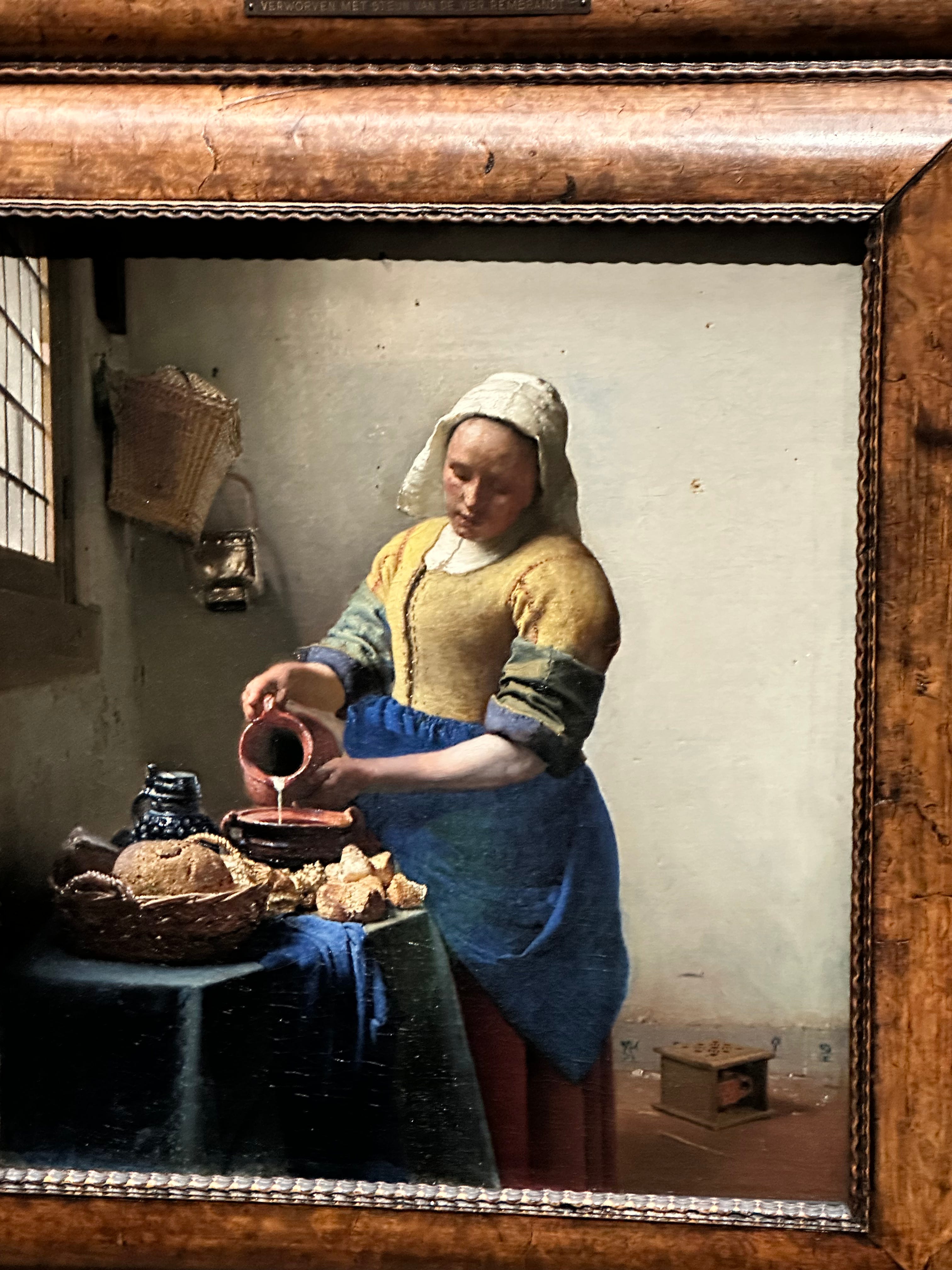
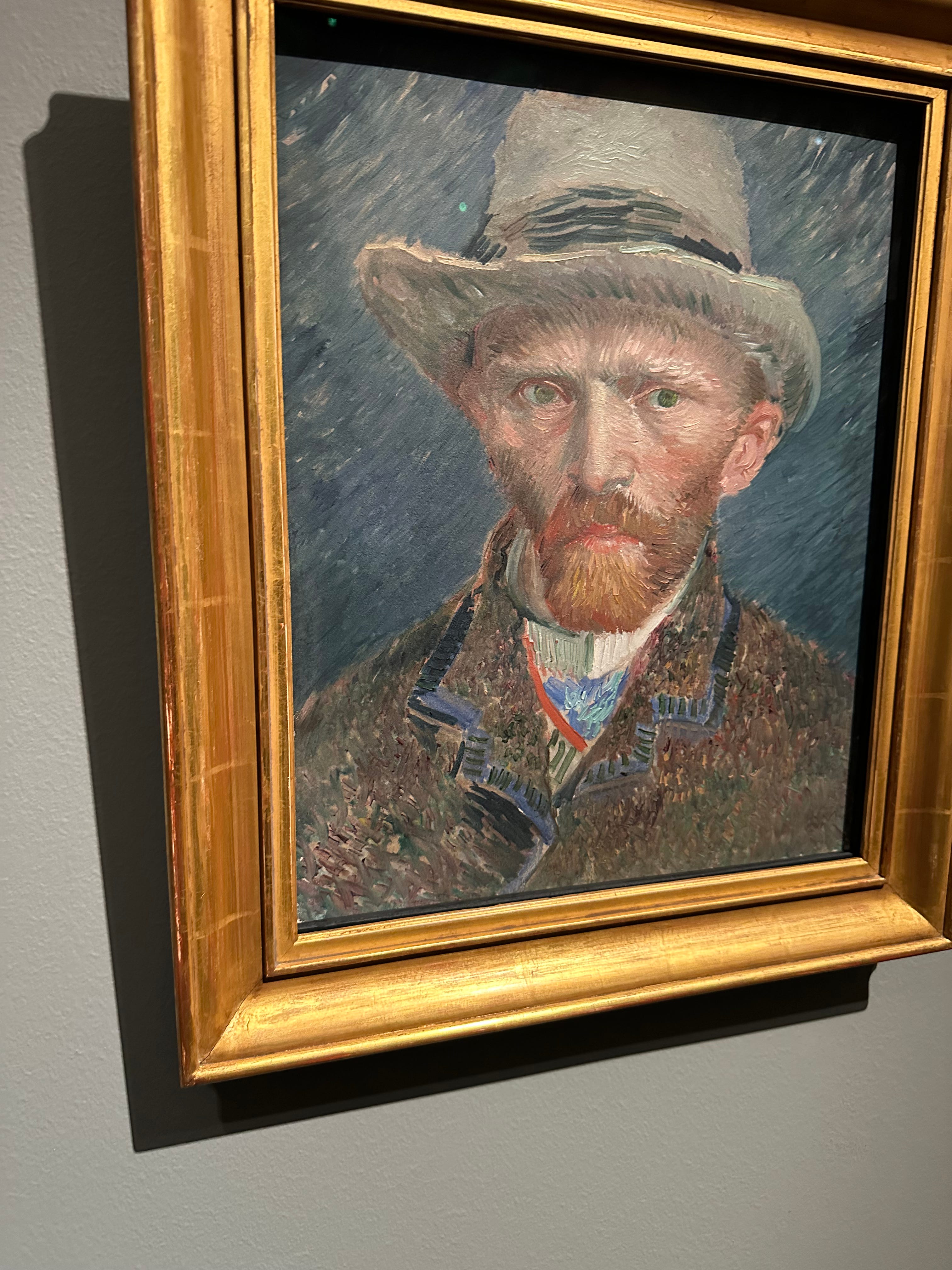
- In Amsterdam, I had one day to explore the city. So I hopped the metro to Museumplein (the museum district), had breakfast, and just made it to the Rijksmuseum for my 9 AM entry time. (The larger museums in Amsterdam require you to prepurchase tickets with a stated entry time. I had booked the week before, but sadly the Van Gogh museum was booked several months out. Next time!). The Rijksmuseum is large - plan a half-day at least. The Night Watch by Rembrandt - probably the most famous work of art in the museum - is being restored, so you can’t get a good look at it. But there are several other Rembrandts in the collection, along with some Vermeers and a few Van Goghs, including his famous self-portrait.
- French fries with mayo is a thing in Amsterdam. It’s not as bad as it sounds, but I couldn’t finish mine. Total gut bomb!
- I had the best apple pie/tart in my life at Winkel 43, a restaurant in the Jordaan district of Amsterdam. If you go, don’t miss it!
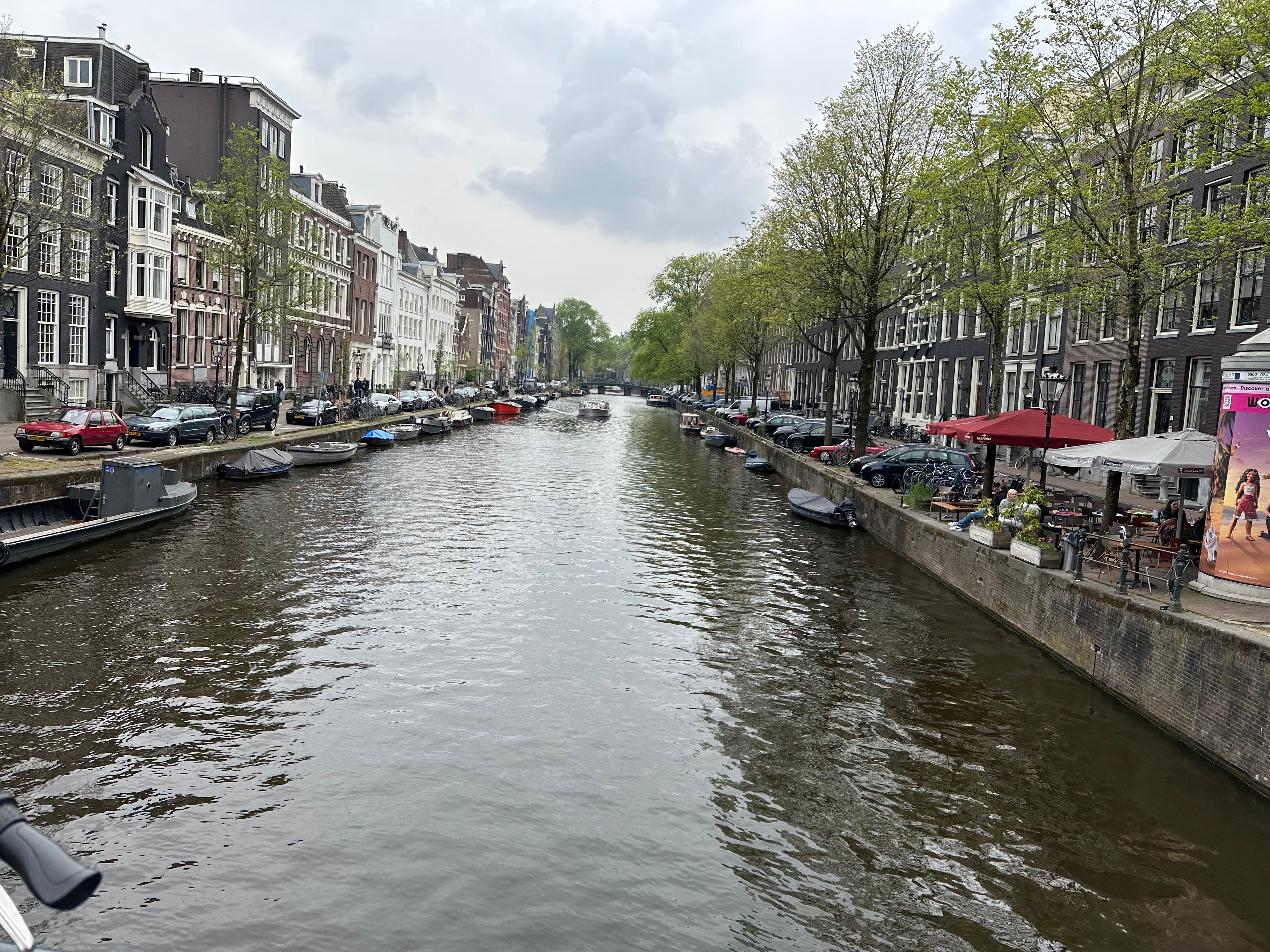
- It was nice to be away from the political turmoil of the US for a while. But the little bit of political talk I heard was apprehensive about the Trumpian turn in American politics. But for all that, no one was unfriendly toward us because we were Americans. In fact, the people were uniformly pleasant.
- At breakfast on my Rijksmuseum day, the people at the table next to me were talking about university life in Europe. Higher education is valued, and usually free (or heavily subsidized) in Europe. I’m a little jealous.
- It grieves me that, in the city that gave us Kuyper and Bavinck, these two giants are uncelebrated. In fact, except for a few old churches that are now functionally museums, there is no visible sign of a vibrant Christian faith in this country, and few in Portugal. Europe is truly post-Christian.
Wonderful observations, John. Back in my IBM days I did numerous European trips and there's no question many European norms impressed themselves into my outlook and remain there still. One norm from the business world I would say was, "Focus on essentials". Many Americans love to talk about the surface details -- the "differentiators" -- of what they offer. My impression was Europeans were all about long-term decision making with a sound rationale.
On just living, there's little I'd add to your observations. I felt the pace of things was slower, and everyday things were done more deliberately. My business lunches back the were always at least 90 minutes -- it was clear my counterparts felt you couldn't do justice to good food in less time than that.
I'm sure the KMTA talks were well received. Great to see the team and yourself doing more and more.